






Since its mobilisation during 2021, the Integrated Primary Community Care (IPCC) service has been quietly transforming mental health support across Basildon and Brentwood. As the only region within our NHS Mental Health service to host this innovative model, IPCC brings together three distinct services under one umbrella, each playing a vital role in improving access, outcomes, and experiences for people with complex mental health needs.
What is Integrated Primary Community Care (IPCC)?
The IPCC service is made up of three separate but complementary strands
-
Psychological therapies for severe mental health problems (PT SMHP, aka Step 4)
Offering specialist therapies such as Cognitive Behavioural Therapy (CBT), Cognitive Analytic Therapy (CAT), Mentalisation-Based Therapy (MBT), Eye Movement Desensitisation and Reprocessing (EMDR), and Dialectical Behaviour Therapy (DBT), this service supports individuals with complex mental health needs. Delivering individual and group-based treatments both in-person and remotely by a mix of local and national clinicians, it’s the only Step 4 service commissioned in the region. -
Mental Health Practitioners (MHPs) in Primary Care
Co-delivered with Essex Partnership University Trust (EPUT), MHPs are embedded alongside GP practices to provide valuable first-contact mental health support ensuring people have timely access to mental health professionals. These are experienced registered mental health nurses, some with prescribing qualifications, who assess patients and develop treatment plans or refer them to the most appropriate services. -
Physical health checks for people with severe mental illness
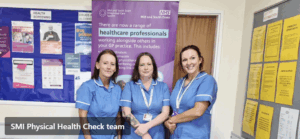
A small team of Community Mental Health Support Workers deliver annual six-point physical health checks to a population of over 2,000 people diagnosed with a severe mental illness.
Driving innovation and improvement to mental health services in Basildon & Brentwood
Since its inception, the IPCC team has introduced several impactful changes to meet rising demand and improve service quality:
-
Expanding capacity in Step 4
Initially overwhelmed by demand, the Step 4 service has diversified its workforce to include assistant psychologists and trainees and, in so doing, broadening its treatment delivery to include in-person and remote specialised groups. A new Psychological Skills course also offers early intervention and engagement for those waiting for 1:1 therapy. -
Reducing MHP waiting times
Prior to the mobilisation of the MHP service, patients were needing to wait over 28 days to see a mental health practitioner. The average waiting times reduced to as low as three days for most GP practices, thanks to targeted quality improvement initiatives.
-
Smarter staffing models
By pooling staff across practices rather than assigning them to individual PCNs, the service has improved flexibility and access. A new triage and screening process has also helped manage complexity more efficiently, with 60% of patients needing only a single appointment which is received within three days. -
Shared systems for better collaboration
A unified electronic patient record system within the MHP service now supports seamless collaboration between providers, improving continuity of care and team coordination.
 Planned future innovations
The Severe Mental Illness (SMI) health check service are finalising plans to extend its delivery to include home visits. This important addition will assist in engaging a patient population that are often difficult to reach.
In addition, there will be an extension to the appointment duration time for MHP appointments piloted for three months. This quality improvement is designed to protect the team’s health and wellbeing while accounting for the increasing severity and complexity seen in people’s mental health presentations.
Recognition and Results
The impact of these changes has not gone unnoticed. At the end of the last financial year, the SMI health check service was the leading provider in Mid and South Essex and ranked 5th nationally. By the end of Q1 this year, the service had climbed to 3rd place out of 160 sub-ICB localities, which is a deserving reflection on the professionalism and care of the team.
For two consecutive years, the MHP service has been a finalist in the prestigious Health Service Journal (HSJ) Patient Safety Awards – a testament to the dedication, innovation, and collaborative spirit of the team.
Through the implementation of important quality improvements, the PT SMHP service has reduced the 1:1 wait list by 38% in the past 18 months. The reduction is projected to continue to 53% by April 2026.
Looking Ahead
As we continue to refine and expand the IPCC model, our focus remains on the patient – delivering the right support, at the right time, by the right people. Thank you to everyone involved in making this service a success – your work is changing lives every day.

Self-refer
We are here to help you – self refer today and let’s get started.
Are you in need of immediate help?
We are not an emergency service and not able to offer urgent help for crisis situations. If you think you are struggling to keep yourself safe, or are seeking help for a medical emergency, call 999.
Information & Guidance
Access our Health Hub

Mental Health
Struggling with your mental health can affect all aspects of your life. You don't need to navigate your struggles alone, we provide a range of self-help guidance to help you manage your thoughts, feelings, and symptoms.






Latest Articles

Men’s Mental Health Month 2025
November is Men's Mental Health Month, focusing on support for men's mental health challenges across the UK.

Flooding and Mental Health: What You Need to Know
Flooding affects more than homes. Learn practical steps to protect mental health and where to find support.

Pennine’s Fracture Liaison Service: Quietly transforming lives in Oldham
Discover how Pennine MSK’s Fracture Liaison Service in Oldham is leading the way in osteoporosis care, prevent

World Mental Health Day
Learn how Vita’s NHS Talking Therapies help manage anxiety, depression, stress & boost wellbeing.