






The best sleep positions to reduce back pain

If you get out of bed in the morning and experience back pain, you’re not alone. Studies have revealed that for thousands of people, back pain interferes with both getting to sleep and staying asleep. Whilst for others, back pain is a symptom of awkward sleeping positions that put unnecessary stress and strain on the body.
There isn’t one “right” sleeping position that will guarantee everyone a restful and pain-free sleep. Everyone experiences pain differently and what works for one person may not work for another. However, there are some simple tricks you can try that’ll help to take the pain and strain off your back and give you a restorative night’s sleep.
To mark World Sleep Day on Friday 14th March, our musculoskeletal experts have shared their top tips on sleep setups that support your body whilst you’re catching those much needed ZZZs.
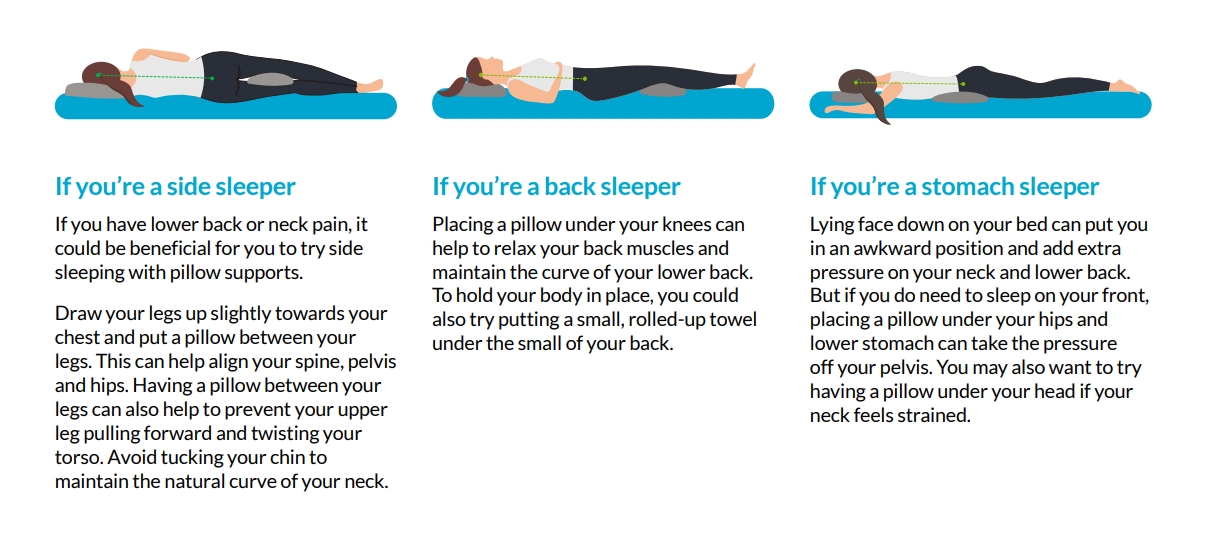
Sleeping positions:
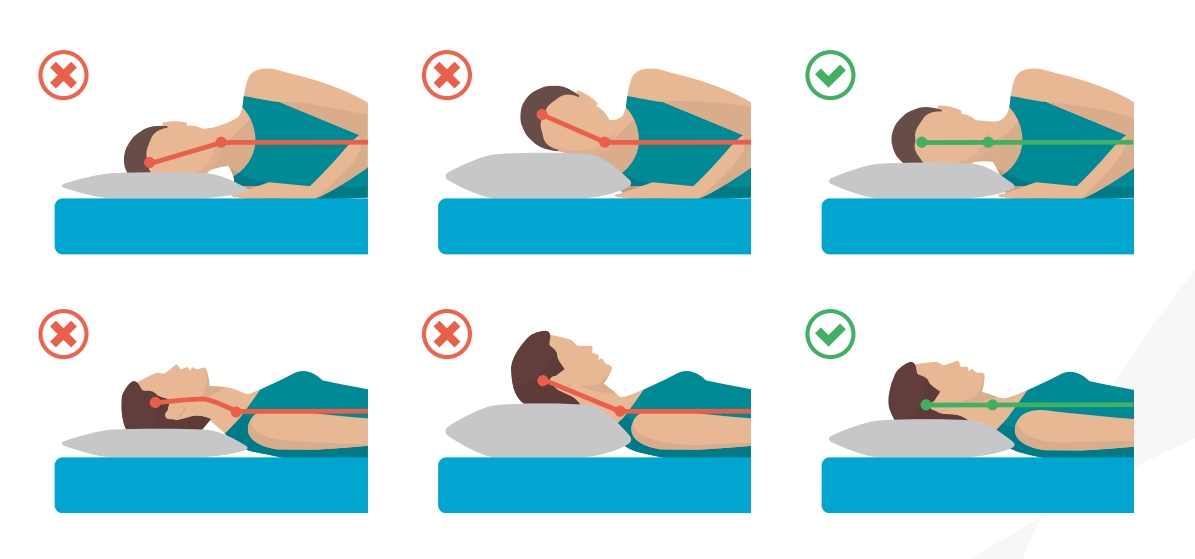
Pillow Talk:
Use a pillow that helps to keep your head in a neutral position to reduce strain on your neck. A pillow that’s too low may result in your jaw pointing toward the ceiling. If it’s too high, your jaw might drop toward your chest.
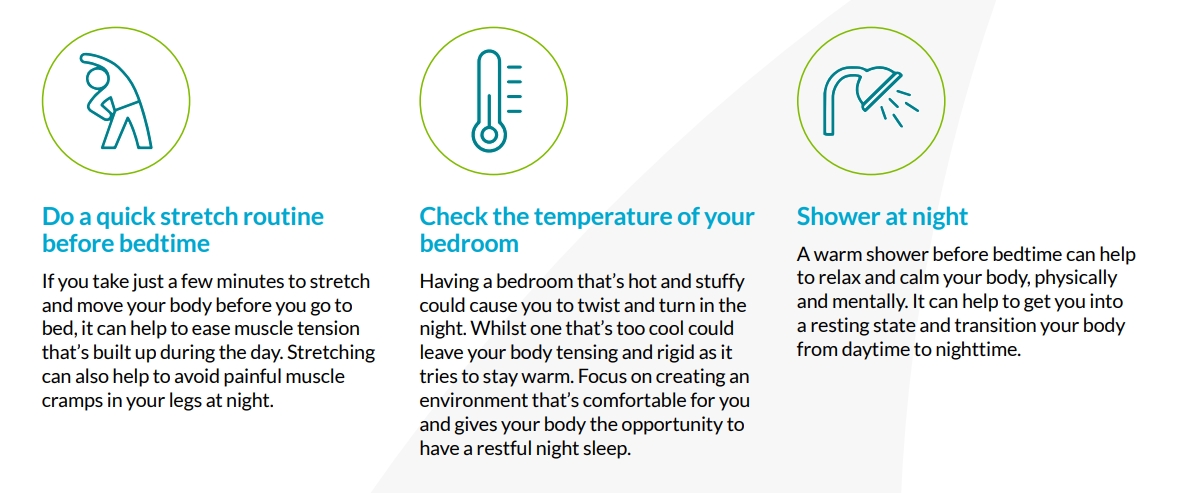
Three tips to help you get a pain-free sleep:
Information & Guidance
Access our Health Hub
Long Term Condition
People living with Long Term Conditions (LTC’s) are more likely to experience mental symptoms due to their physical symptoms causing anxiety, worry, overthinking and avoidance.






Related Articles

Pennine’s Fracture Liaison Service: Quietly transforming lives in Oldham
Discover how Pennine MSK’s Fracture Liaison Service in Oldham is leading the way in osteoporosis care, prevent

Tennis injuries: symptoms and prevention
Tennis injuries can be short or long term – these last ones being associated to the upper body (overuse).

5 Simple Tips for Back Care
Back pain is often, it’s your body reminding you to move, rest, or adjust your habits.

The benefits of physical activity for mental health
The benefits of finding even small moments for movement in our everyday lives are great.