








Mental Health Awareness – the great outdoors
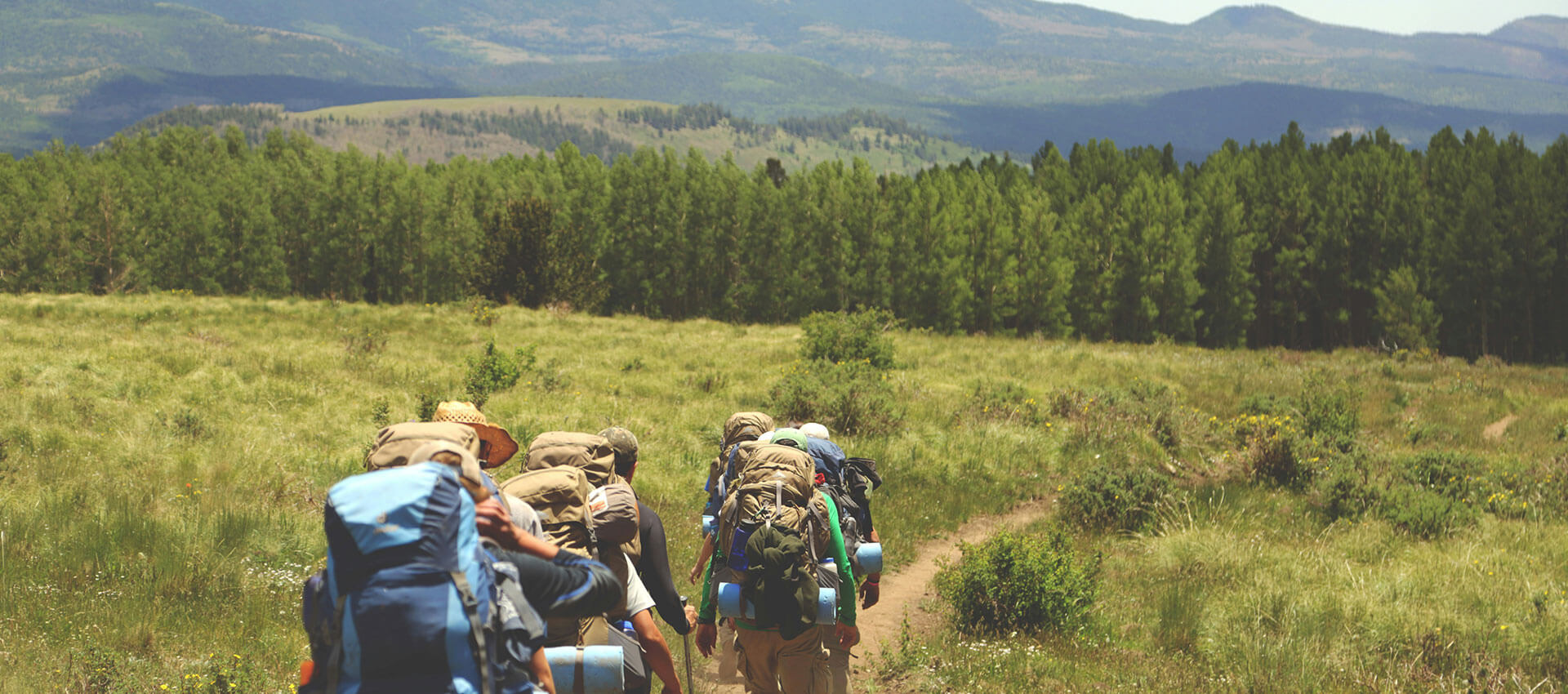
The great outdoors
As the days get a longer and the nights get lighter, it’s the perfect time to get outdoors. Getting fresh air, at least once a day, is essential to our wellbeing and mental outlook.
How can nature benefit my mental health?
Spending time outdoors in nature has been found to help with multiple mental health problems, including anxiety and depression. Often this is due to combining regular physical activity and social contact with being outside in nature.
What can I do outside to aid my mental health?
Spending time in green spaces or bringing nature into your everyday life can benefit both your mental and physical wellbeing.
With this in mind, why not try some of the following activities outdoors this week?
- Gardening or doing a DIY project outside
- Running
- Hiking
- Being around or caring for animals
- Going out for a short walk with a friend
- Outdoor swimming
- Do a garden workout
- Joining an outdoor fitness class
- Painting outside
- Journaling in the garden
- Going on a nature trail or collecting wood, stones, or wildflowers
- Having your lunch outside or a picnic
All these activities can also help to improve your mood, reduce feelings of stress or anger, and can help you to feel more relaxed. Getting out and doing regular exercise, even if this is only walking, will also improve your physical health and should also impact and improve your confidence and self-esteem too. Likewise getting out for walks with a friend or neighbour can also help forge new connections and ensure you are not feeling isolated during these ongoing challenging times.
Bringing the outdoors in
If you’re struggling to get outside, or perhaps you don’t have a garden or outdoor space nearby, then there are many ways you can bring the outdoors, indoors.
Why not buy flowers or potted plants for your home? Apart from being aesthetically pleasing, some plants, such as Mother-in-laws tongue (Sansevieria Trifasciata), are actually rated by NASA for their air purifying qualities and are credited with removing benzene, formaldehyde and other harmful toxins out the air.
Likewise, consider creating a display of natural items, such as shells, plants, bark or driftwood to bring the natural world inside your home. Not only will it be pleasing to look at but focusing your attention on collecting the items and doing the arrangement will likely be soothing too and ensure you have some time away from your screen.
And don’t forget to get as much natural light in your house as possible. Exposure to natural light not only helps our bodies produce Vitamin D, but it improves our sleep patterns, helps us to focus, and can even make us happier too. Ensuring we get enough light is key to our physical and psychological wellbeing.
Information & Guidance
Access our Health Hub
Long Term Condition
People living with Long Term Conditions (LTC’s) are more likely to experience mental symptoms due to their physical symptoms causing anxiety, worry, overthinking and avoidance.







Related Articles

Flooding and Mental Health: What You Need to Know
Flooding affects more than homes. Learn practical steps to protect mental health and where to find support.

Pennine’s Fracture Liaison Service: Quietly transforming lives in Oldham
Discover how Pennine MSK’s Fracture Liaison Service in Oldham is leading the way in osteoporosis care, prevent

World Mental Health Day
Learn how Vita’s NHS Talking Therapies help manage anxiety, depression, stress & boost wellbeing.

Tennis injuries: symptoms and prevention
Tennis injuries can be short or long term – these last ones being associated to the upper body (overuse).