






Golf – Getting Back to the Greens Safely

Authors: Stephanie Gilbert and Katie O’Neill, Private Physiotherapists
March 29th was a very exciting day for many golfers when the courses finally reopened after the most recent U.K. lockdown. If you’ve been lucky enough to snag some of those in-demand tee times, we have a few tips on keeping yourself healthy when you return back to the fairways.
The health benefits of golf have been widely reported in recent years with an 18-hole round amounting to 6-8km of walking and requiring over 8,000-12,000 steps. Golf requires a combination of strength, endurance, explosive power, flexibility and athletic ability even if we aren’t all preparing for the Masters.
Injuries are very common in golf and can be seen in almost any area of the body. These can range from overuse injuries to acute traumatic injuries. Let’s go through a few common ones and how to manage your symptoms.
Back Pain
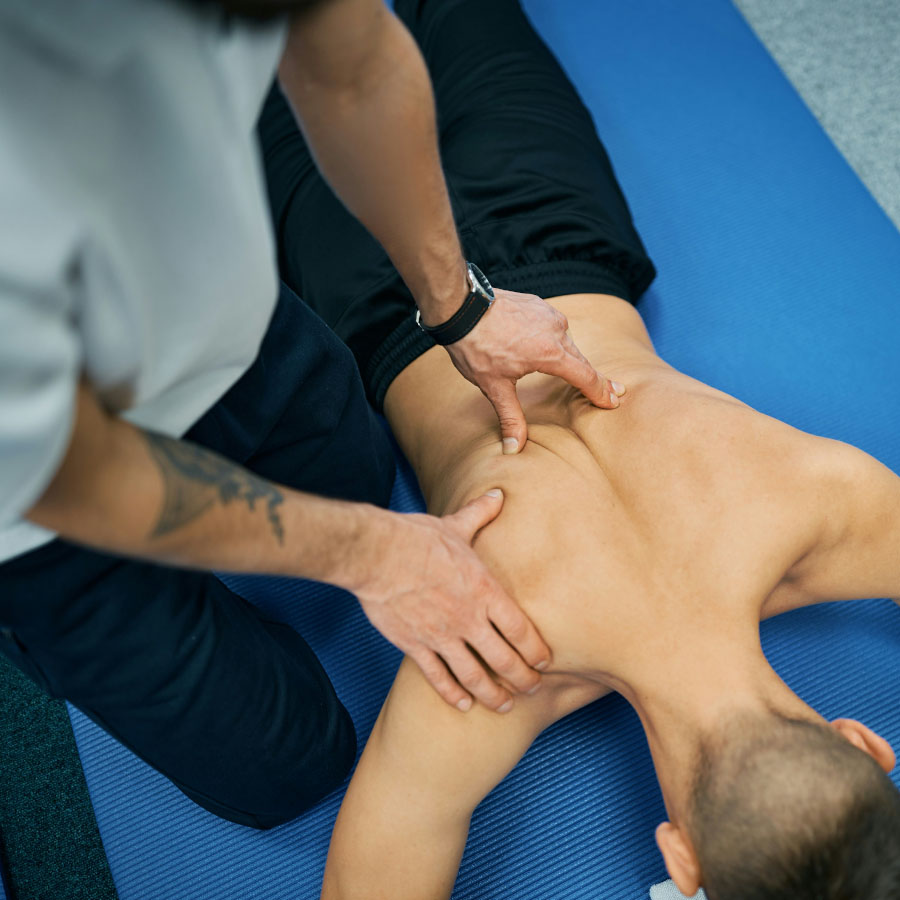
Lower back pain is generally the most common complaint in golfers, with evidence reporting that up to 28% of all players are dealing with lower back pain after every round. It has been suggested in the literature that movement patterns, muscle imbalances and the type of swing utilized all have direct effect on the forces applied in the spine during the golf swing.
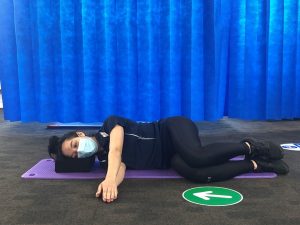
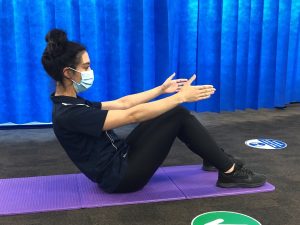
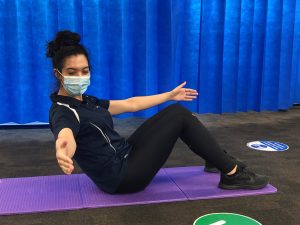
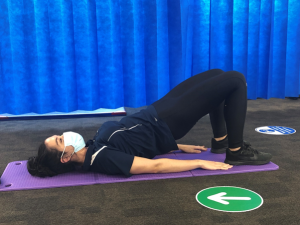
Certain rehabilitation exercises such as the Pilates Side arm openings, the shoulder bridge and the oblique twist can be very beneficial in improving the mobility and strength in the muscles that support the spine.

Elbow
“Golfers Elbow” is a common elbow injury and it is characterised by pain in the inside aspect of the elbow. This often occurs due to sudden increase in training (think getting back to playing after a 4-month break!) and continued repetitive movements. Initially you may need to rest to allow time for the irritation to improve then a gradual loading (strengthening) program can help get you back onto the tee.
Shoulder
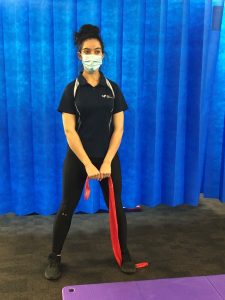
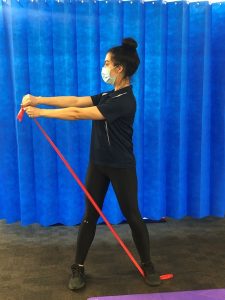
Injuries to the shoulder are common with golf and can be either traumatic or overuse in nature. A poorly executed swing or missing that shot and taking a deep divot can cause a shoulder injury. Or maybe you just notice that shoulder is feeling a bit niggly after your round. A good warm up for golf if key as well as a targeted strengthening program to keep those shoulders strong. Arm swings are a great idea for a warm-up and reverse wood chops with a cable or band are a great strengthening exercise.
If you find you are having trouble sleeping due to your shoulder pain or you find movement of your shoulder is limited or painful, it’s best to have a physiotherapist assess your shoulder and get you back to your game as soon as possible.
We provide a full range of physiotherapy services in our clinics throughout South-East London and Wimbledon. If you have an ache or pain that you need help with then please get in touch. Click here
Information & Guidance
Access our Health Hub
Long Term Condition
People living with Long Term Conditions (LTC’s) are more likely to experience mental symptoms due to their physical symptoms causing anxiety, worry, overthinking and avoidance.







Related Articles

Pennine’s Fracture Liaison Service: Quietly transforming lives in Oldham
Discover how Pennine MSK’s Fracture Liaison Service in Oldham is leading the way in osteoporosis care, prevent

Tennis injuries: symptoms and prevention
Tennis injuries can be short or long term – these last ones being associated to the upper body (overuse).

5 Simple Tips for Back Care
Back pain is often, it’s your body reminding you to move, rest, or adjust your habits.

The benefits of physical activity for mental health
The benefits of finding even small moments for movement in our everyday lives are great.