




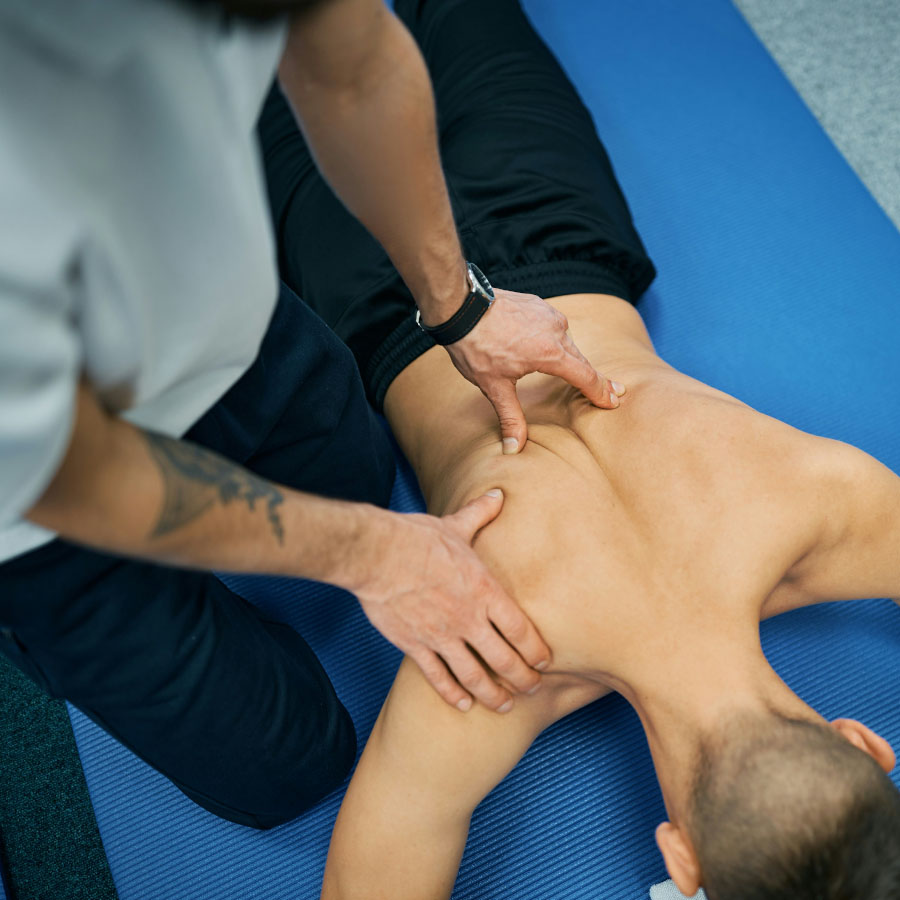



Back Pain is one of the Most Common Conditions Sweeping the Nation.

Back Pain is one of the most common conditions sweeping the Nation. According to The British Pain Society, it costs an astonishing £10 billion on the UK economy. Back pain can come in many forms and can have very different effects on people and their lives. However, the approach you can take to get better and not rely on pain killers is not too dissimilar:
- Physiotherapy: seeing a physiotherapist to thoroughly assess your back pain, get a detailed history, and create an effective management plan will be extremely helpful in getting better, a good physiotherapist will give you the tools to self-manage your back pain and build resilience and confidence through movement
- Exercise: regular exercise is paramount for better outcomes. It doesn’t have to be pumping iron at the gym, exercise is a bit like back pain in that it can take many different forms. Whether it’s Tai Chi, Yoga, or even going for a walk – it will help with your back pain and get your mind of things. Seeing a physiotherapist will allow a progressive return to the activities and sports you love doing
- Desk Set Up: Working from home is still a big thing in our lives right now. It’s important to ensure your set up is designed for you to be working optimally in comfort. Taking regular movement breaks in between meetings will help break up the day and reduce the timespans you are stationery
- Education: Knowing what exactly is going and what may be causing your back pain will give you the empowerment and education needed on how to tackle it. Too often, people let their back pain manifest and get worse. Be proactive in your back pain and seek help
- Pain Relief: Any medication that you take should be discussed with your GP or pharmacist. Pain relief provides a window of opportunity where you feel back to normal or in less pain but it never the solution, nor the cure to your pain
Information & Guidance
Access our Health Hub
Long Term Condition
People living with Long Term Conditions (LTC’s) are more likely to experience mental symptoms due to their physical symptoms causing anxiety, worry, overthinking and avoidance.







Related Articles

Pennine’s Fracture Liaison Service: Quietly transforming lives in Oldham
Discover how Pennine MSK’s Fracture Liaison Service in Oldham is leading the way in osteoporosis care, prevent

Tennis injuries: symptoms and prevention
Tennis injuries can be short or long term – these last ones being associated to the upper body (overuse).

5 Simple Tips for Back Care
Back pain is often, it’s your body reminding you to move, rest, or adjust your habits.

The benefits of physical activity for mental health
The benefits of finding even small moments for movement in our everyday lives are great.