



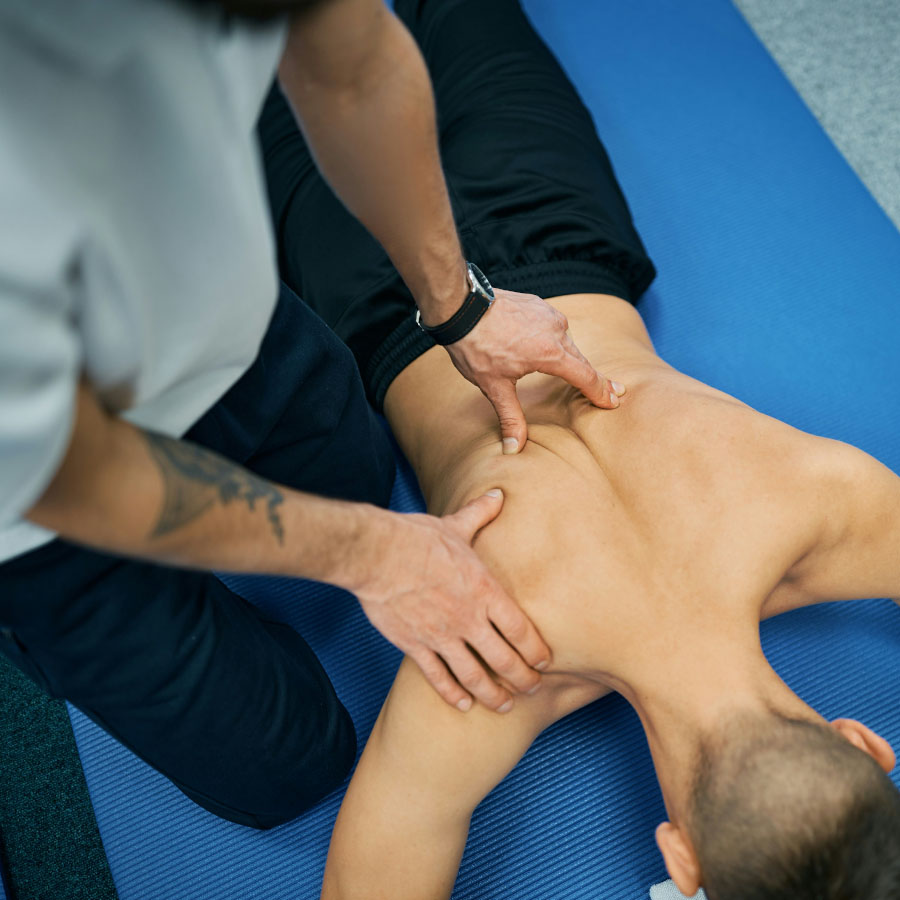



Your spine is strong, resilient, and designed to support you through life’s movements. Although uncomfortable at times, back pain doesn’t always mean damage; often, it’s your body reminding you to move, rest, or adjust your habits.
5 Simple Tips for Back Care

Take care of your back with these five simple, practical tips from our Physiotherapist, Lauren Taylor:
1. Movement is Medicine – Keep Moving
Regular movement increases blood flow and stimulates the production of synovial fluid, which lubricates and nourishes the spine. Staying active helps prevent stiffness, supports mobility, and reduces the risk of injury.
Whether you’re at your desk or curled up with a book, it’s important to take movement breaks every 45–60 minutes. Simple daily activities like walking, stretching, or gentle exercise can keep your muscles strong and flexible.
Quick exercises you can do anywhere—even at your desk:
- Standing side bend
- Hula hip circles
- Seated forward bend
- Mini squats
- Heel raises
Here are some links to helpful back exercises:
- BackCare: https://backcare.org.uk/wp-content/uploads/2020/02/901-Exercises-for-back-pain.pdf
- Chartered Society of Physiotherapy: https://www.csp.org.uk/conditions/back-pain/video-exercises-back-pain
- NHS: https://www.nhs.uk/live-well/exercise/strength-exercises/
2. Your Next Posture is Your Best Posture
A healthy spine should be upright and straight from the back, with a gentle “S” shape from the side: this is called a neutral spine. Slouching into a “C” shape increases pressure on the discs, sometimes leading to pain. Maintaining a gentle arch in your lower back helps relieve this pressure.
But remember, there’s no such thing as perfect posture. What matters most is variety , even the best posture becomes stressful if held too long. Aim to change positions every 30–45 minutes, even if it is the smallest adjustment.
Tips for supporting your posture:
- Sit with your feet flat on the floor and your shoulders relaxed
- Keep your knees in line with or slightly below your hips
- Keep your ears in line with your shoulders (avoid poking your head forward)
- Use a cushion or rolled towel for lower back support
Posture isn’t just physical; it reflects our mindset, too. When we’re sad, we slouch; when stressed, our shoulders rise toward our ears. Checking in with our body and mood can help reduce unnecessary tension.
3. Lift Smarter
Many back injuries come from lifting in a rush. Preparing your body with gentle warm-up movements and setting up your environment before lifting can prevent strain.
Safe lifting tips:
- Stand with feet hip-width apart or staggered for stability
- Bend your knees and hinge from the hips (use your legs, not your back)
- Keep objects close to your body
- Avoid twisting while carrying heavy loads
- Ask for help when needed—break big tasks into smaller, safer chunks
Using the right technique makes everyday activities—from groceries to gardening—much easier on your back.
4. Maintain a Healthy Weight
Carrying excess weight, especially around the midsection, adds strain to your spine and supporting muscles. This extra load shifts your center of gravity forward, which can affect posture, increase pressure on the discs, and contribute to discomfort.
Maintaining a healthy weight is about balance, not perfection, and helps prevent back pain in the long term.
Practical ways to support your weight and back health:
- Balanced Nutrition: Choose whole foods like vegetables, fruits, lean proteins, and whole grains to fuel your body and keep muscles and bones strong.
- Core Strength: A strong core stabilizes the spine. Simple exercises such as planks, bridges, or gentle Pilates movements are effective.
- Regular Activity: Consistency matters more than intensity. Walking, swimming, yoga, or cycling are great low-impact ways to stay active.
- Mindful Eating: Slow down at meals, stay hydrated, and notice stress-related eating habits.
- Focus on Sustainable Habits: Small, steady changes are easier to maintain than strict diets.
Supporting your body with good fuel and movement will not only protect your back but also boost your energy, mood, and overall resilience.
5. Rest and Restore
Just as your spine thrives on movement, it also needs downtime to recover. Building healthy rest habits helps your back stay resilient and ready for activity.
Ways to support recovery:
-
- Mindset: Stress and tension often show up in our posture. Managing stress can reduce muscle tightness and improve how the brain interprets pain.
- Muscle Relaxation: Gentle stretches, yoga, or even a warm shower before bed can ease tension and reduce stiffness.
- Hydration: Spinal discs are made up of more than 50% water, which allows them to absorb shock and support movement. Staying hydrated keeps them healthy.
- Sleep: Quality sleep gives your body time to repair and restore. Invest in a mattress and pillow that support the natural curves of your spine. Sleeping on your side with a pillow between your knees can help maintain spinal alignment.
Rest isn’t about being still all the time—it’s about giving your back the right conditions to recover so you can move with greater ease the next day.
Back care is influenced by daily habits: sitting for long hours, lifting, studying, housework, or caring for loved ones. By applying these five simple strategies, you’ll build resilience, reduce discomfort, and keep your back happy.
Information & Guidance
Access our Health Hub



Physical Health
If you are struggling with a physical condition or injury that is affecting daily life, we offer a range of guidance to help reduce your symptoms, prevent further injury and improve your physical function to get you back to your best.




Related Articles

Pennine’s Fracture Liaison Service: Quietly transforming lives in Oldham
Discover how Pennine MSK’s Fracture Liaison Service in Oldham is leading the way in osteoporosis care, prevent

Tennis injuries: symptoms and prevention
Tennis injuries can be short or long term – these last ones being associated to the upper body (overuse).

The benefits of physical activity for mental health
The benefits of finding even small moments for movement in our everyday lives are great.

Preventing falls & frailty: Simple daily tips for healthy ageing
Falls are one of the leading causes of injury as we age, but they’re not inevitable.