







World Mental Health Day
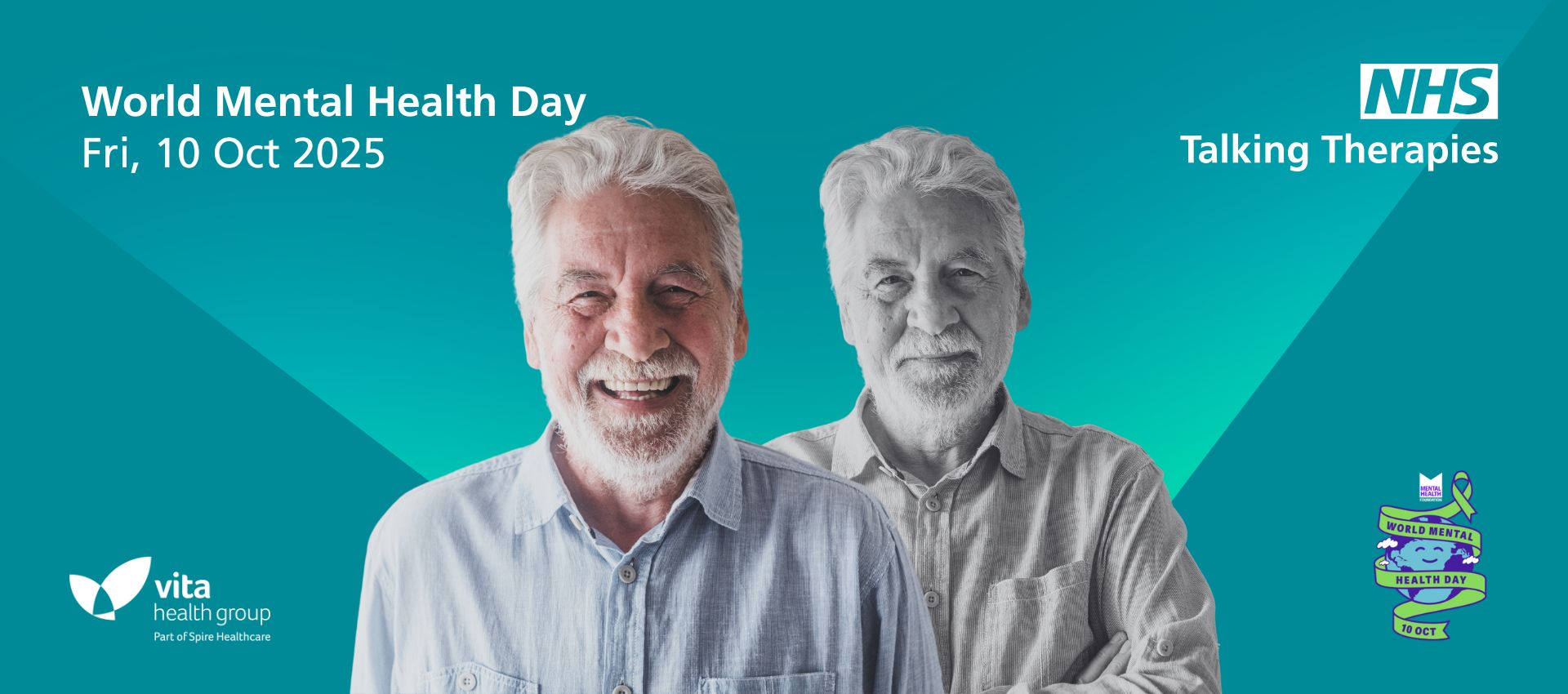
Every year on 10 October, people around the world come together to mark World Mental Health Day – a global movement dedicated to raising awareness of mental health issues and promoting positive wellbeing for all. At Vita Health Group, we are proud to support this important day and to continue our mission of making people better across the UK through access to effective, compassionate, and evidence-based care through NHS Talking Therapies.
This year’s theme, “Access to Services – Mental Health in Catastrophes and Emergencies,” is especially relevant to the world we live in today. Across the globe, people are facing crises ranging from natural disasters to conflict and humanitarian emergencies – all of which can take a profound toll on mental wellbeing.
The theme encourages us to consider how these challenges affect individuals’ emotional health and to reflect on whether sufficient mental health services are available to provide vital support in all pockets of the world. We are fortunate in the UK to have services that are there to support us when we need it. Whether you’re struggling with anxiety, low mood, poor sleep, or stress, you don’t have to face it alone – help is available, and recovery can begin with a simple conversation.
What is World Mental Health Day?
World Mental Health Day was first celebrated in 1992, and it has since grown into an annual campaign recognised by the World Health Organization (WHO) and mental health charities worldwide. The day serves as an opportunity to educate, share stories, and take action to make mental health care more accessible and inclusive.
In the UK, mental health challenges affect millions of people. According to NHS data, one in four adults experience a mental health problem each year, while one in six report symptoms such as anxiety or depression in any given week. Despite this, many people still hesitate to seek help due to stigma, lack of awareness, or uncertainty about where to turn.
World Mental Health Day is an important reminder that mental health is just as vital as physical health, and that reaching out for support is a positive and courageous step.
At Vita Health Group, we are passionate about making access to mental health services as straightforward as possible. Through our partnership with NHS Talking Therapies, we provide free advice and psychological therapy, to help people improve their wellbeing and get back to living a fulfilling life.
What are NHS Talking Therapies?
NHS Talking Therapies (previously known as Improving Access to Psychological Therapies, or IAPT) is a free NHS service designed to help adults manage common mental health difficulties. These include problems such as:
- Anxiety and panic attacks
- Depression and low mood
- Stress
- Sleep problems
- Phobias
- Obsessive-Compulsive Disorder (OCD)
- Post-Traumatic Stress Disorder (PTSD)
- Health anxiety
Talking Therapies are based on psychological approaches that are proven to work. At Vita Health Group, our trained therapists provide evidence-based treatments such as Cognitive Behavioural Therapy (CBT), online guided self-help, counselling, Eye Movement Desensitisation and Reprocessing (EMDR) for trauma, and group therapy and webinar sessions.
You don’t need a GP referral to access NHS Talking Therapies – you can refer yourself directly online (find your local Talking Therapies service here). Our teams work with thousands of people each year, helping them learn practical strategies to cope better with life’s challenges.
Signs of Poor Mental Health
Mental health problems can affect anyone, regardless of age, background, or life situation. However, many people overlook the early signs of poor mental health, putting their wellbeing at risk. Recognising the symptoms can be the first step towards recovery.
Common signs of poor mental health may include:
- Persistent feelings of sadness, emptiness, or hopelessness
- Anxiety, worry, or fear that feels overwhelming or constant
- Irritability, anger, or mood swings
- Difficulty concentrating or making decisions
- Changes in sleep patterns, such as insomnia or oversleeping
- Loss of interest in activities once enjoyed
- Withdrawing from friends, family, or social activities
- Changes in appetite or weight
- Feeling tired or lacking energy
- Experiencing physical symptoms such as headaches, stomach aches, or muscle tension with no clear medical cause
It’s important to remember that everyone experiences mental health differently. You don’t need to be in crisis to seek support. Even if your symptoms seem mild or short-term, Talking Therapies can help you understand what’s happening and develop skills to manage your thoughts and emotions effectively.
How NHS Talking Therapies Can Help Poor Mental Health
NHS Talking Therapies focus on helping people understand and change unhelpful patterns in the way they think, feel, and behave. These therapies are built on decades of research and are tailored to your personal needs.
Here’s how different types of Talking Therapies can support specific challenges:
Cognitive Behavioural Therapy (CBT)
CBT is one of the most widely used approaches in Talking Therapies. It helps you identify negative thinking patterns and replace them with more balanced and constructive thoughts. CBT is particularly effective for conditions like anxiety, depression, and panic disorder.
You can access CBT in many different ways, including:
Guided Self-Help
For those with mild to moderate symptoms, guided self-help allows you to work through structured CBT materials (often online or via workbooks) with support from a therapist. At VHG we use a platform called SilverCloud – otherwise known as Supported Online Therapy, this system can help you learn coping techniques at your own pace, in your own time. You can find out more here >>
Wellbeing Webinars
Vita Health Group offers a range of wellbeing webinars designed to help you understand and manage common mental health challenges. These live, interactive sessions use CBT approaches and cover topics such as managing anxiety, improving sleep, coping with stress, and building resilience. Led by experienced NHS clinicians, the webinars provide practical tools and strategies that you can apply in everyday life – all within a supportive, confidential, and accessible online environment.
Other therapies are also available depending on the difficulty you are experiencing, such as counselling, EMDR, interpersonal psychotherapy. Our therapists can advise you on which approach might be best for you.
Online and Telephone Therapy
Recognising that everyone’s situation is different, at Vita Health Group we offer flexible options such as online video sessions, phone calls, or digital tools – making it easier to access support wherever you are.
Whether you’re working collaboratively with a therapist, or working through your Supported Online Therapy, you’ll learn practical skills to manage stress, improve resilience, and build confidence in handling future challenges. The ultimate goal of Talking Therapies is to help you take back control of your mental health and move towards a happier, healthier life.
Mental Health Tips
While professional support is important, there are also everyday steps you can take to nurture your mental wellbeing. Here are some tips recommended by our mental health experts at Vita Health Group:
- Talk about your feelings
Opening up to someone you trust can make a big difference. Talking is often the first step towards understanding and improving how you feel.
- Prioritise rest and good sleep
Aim for 7–9 hours of sleep each night. Try creating a calming bedtime routine, limiting screen time before bed, and keeping a consistent sleep schedule.
- Stay active
Regular physical activity releases endorphins – natural mood boosters. Even a short daily walk can improve your mental and physical health.
- Eat well
A balanced diet rich in fruit, vegetables, lean proteins, and whole grains supports your energy levels and mood. There are many well-balanced free recipes online, here’s a good place to start.
- Practise mindfulness or relaxation
Mindfulness, meditation, or breathing exercises can help calm the mind and reduce stress. There are plenty of free mindfulness apps, or YouTube videos with guided meditations you could try.
- Stay connected
Maintaining strong relationships with friends, family, and colleagues helps build a vital support network. There is growing scientific evidence that shows a lack of social connection can significantly harm both our mental, and physical health.
- Set realistic goals
Break tasks into manageable steps and celebrate small achievements along the way. Setting achievable goals can help you stay motivated, boost your confidence, and give you a sense of progress even when challenges arise.
- Take breaks
Regular breaks during work or study can improve concentration and prevent burnout. Giving yourself permission to rest can help you return to tasks with renewed focus and creativity.
- Limit alcohol and caffeine
Excessive use of stimulants or depressants can impact your mood and sleep quality. Reducing your intake can help stabilise your energy levels and support better emotional balance throughout the day.
- Seek help early
If you notice signs of poor mental health, i.e. poor sleep, increasing social anxiety – don’t wait until things get worse. Reaching out for professional support is a proactive way to care for yourself.
Want to find out more? We have more articles and tips like this on our Vita Health Hub.
Supporting You Every Step of the Way
At Vita Health Group, we believe that mental health support should be accessible, compassionate, and tailored to you. As an NHS Talking Therapies provider, we are committed to helping individuals across the UK feel heard, understood, and empowered to improve their wellbeing.
If you or someone you know is struggling with anxiety, depression, stress, or any other mental health concern, you can self-refer to NHS Talking Therapies through our website by clicking here. You don’t need a GP referral, and support is free, confidential, and available to all adults.
This World Mental Health Day, take a moment to check in with yourself and those around you. Remember: reaching out for help is a sign of strength, not weakness.
Together, we can break the stigma surrounding mental health and ensure that everyone has access to the care and compassion they deserve.
Information & Guidance
Access our Health Hub


Mental Health
Struggling with your mental health can affect all aspects of your life. You don't need to navigate your struggles alone, we provide a range of self-help guidance to help you manage your thoughts, feelings, and symptoms.






Related Articles

Flooding and Mental Health: What You Need to Know
Flooding affects more than homes. Learn practical steps to protect mental health and where to find support.

What to remember when you’re feeling overwhelmed
If you’re feeling overwhelmed often it may be time to intervene.

The benefits of physical activity for mental health
The benefits of finding even small moments for movement in our everyday lives are great.

Understanding mental health in the workplace
Every organisation in Britain is affected by mental distress and ill health in the workforce.