



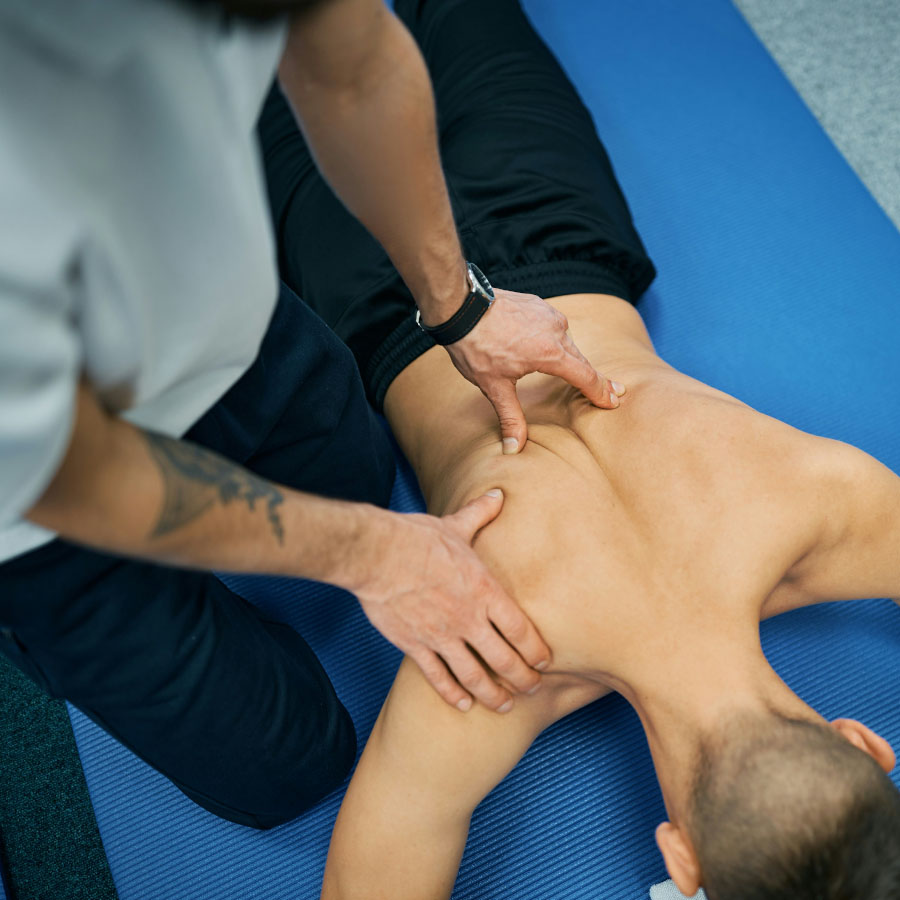



The shoulder joint is a ball and socket joint like the hip. However, the shoulder joint is very shallow, which allows greater flexibility but also means that the joint is more unstable.
What is Shoulder Instability?
The shoulder is one of the most commonly dislocated joints. Shoulder instability means that the shoulder can dislocate (be pulled out of joint) or sublux (moves more than it should do) during day-to-day activities. Both dislocation and subluxation can happen for a variety of reasons. How it happens has an impact on the type of treatment you will receive.
What causes Shoulder Instability
As mentioned above, there are a variety of causes for shoulder instability. However, it can be divided into three main categories largely dependent on how your shoulder dislocates or subluxes for the first time.
Traumatic dislocation:
This is where the shoulder undergoes an injury with enough force to pull the shoulder out of joint. E.g. a violent tackle in rugby or a fall onto an outstretched hand. It is much more common in men under the age of 30. Usually the shoulder requires putting back in (reduction) in Accident and Emergency. Following a first time dislocation, the arm is usually put in a sling and you may be sent for a course of physiotherapy. The shoulder joint is a ball and socket joint, which is held together by a combination of ligaments and muscles. There is also a rim of cartilage around the socket called the labrum. The labrum acts to deepen the socket to make the shoulder even more stable. When a shoulder is dislocated, sometimes the rim of cartilage is pulled away from the socket damaging the labrum. This often does not heal and therefore the shoulder can remain unstable. Once your shoulder has been damaged in this way, you may find that your shoulder dislocates again fairly easily. This damage to the labrum is often called a ‘Bankart lesion’; named after the doctor who first described this injury. Sometimes, if enough force is present during a dislocation, a small part of bone from the shoulder socket (glenoid fossa) may break off with the labrum. This is often called a ‘Bony Bankart lesion’. Shoulder stabilisation surgery is an operation to repair the damage to the labrum and therefore re-stabilise the shoulder joint. This type of repair may also be called a Bankart repair or a Latarjet procedure by your surgeon, and is discussed later.
Positional non-traumatic:
This condition refers to the ability to dislocate your shoulder without any form of trauma. This may start off as a voluntary dislocation, perhaps as a party trick, but if repeated, eventually it can happen during everyday activities. It can affect both shoulders and can be associated with people who have lax joints. This type of instability is due to abnormal muscle patterning around the shoulder, meaning the strong power muscles around the shoulder, such as the pectoral muscles, are constantly ‘switched on’. These muscles then pull the already loose shoulder out of joint during movement. The main treatment with for this type of instability is specialist physiotherapy, which looks at retraining movement patterns of the shoulder.
Non-traumatic dislocation:
Repeated shoulder movements may gradually stretch out the soft tissue cover around the joint (the joint capsule). This can happen with athletes such as throwers and swimmers. Following capsular stretching, the rotator cuff muscles can become weak – affecting how the muscles around the shoulder interact with each other and in turn, leading to an imbalance of the shoulder. In this type of shoulder instability, referral for specialist physiotherapy is the first form of management and treatment can be effective for as long as exercises are continued.
How can I manage it?
Following a first-time dislocation, your arm may be put in a sling. Your doctor or physiotherapist will advise you on when to remove it to exercise.
- Changes to your activity/rest You can start to move the arm when your doctor or physiotherapist advises you to. You should then slowly try and increase your range of movements over the next three to four weeks. Making changes to the activities you do does not mean that you have to stop moving or stop using your shoulder altogether. Try to avoid activities that involve lifting your arm over your head, or contact sports for the first three months after the dislocation. This can prevent further dislocations happening in the future.
- Simple painkillers (analgesia) and/or anti-inflammatories Simple painkillers such as paracetemol can be used to dull the pain, but they do not cure the problem. Anti-inflammatories can also be effective. It is best to consult your GP if you have not taken these before.
- Maintaining good posture Your shoulder movement can be hugely affected by your posture. Sitting and standing in a good position with your shoulders back will help your movement as well as prevent the tendons in your shoulder from catching.
- Ice/Cryotherapy Icing your shoulder can be a very effective way of reducing your pain. Place a wet flannel and a pack of frozen peas on your shoulder for 20 minutes every hour. Check the skin under the ice every five minutes to ensure that you don’t get an ice burn. Once the pain begins to settle, you can then start to ice your shoulder less frequently.
What can I do about it?
Regular movement of your shoulders will help improve your strength and range of movement. Strengthening the muscles strengthens the tendons in your shoulder helping to reduce pain.
Sleeping Position
- Sleeping on your shoulder can be very painful following dislocation. Try to sleep on your back or on the opposite shoulder with a pillow under the armpit of the affected shoulder.
- You should wear your sling in bed at night until you have been advised to remove it by your doctor or physiotherapist.
How can I stop dislocating my shoulder in the future?
If your shoulder has dislocated more than once, you need to see your GP for advice about referring you to a specialist shoulder surgeon. If you suffer from any of the following symptoms, then it is important to see your GP before starting any form of self-management.
- Night pain that severely affects your sleep
- Shoulder pain associated with a fever or night sweats
- Restricted movement that is heavily affecting your ability to function day-today
- Left shoulder pain that is associated with shortness of breath or clamminess
- Swelling or redness
- Pain following an injury or traumatic event (e.g. fall, sports injury, epileptic fit, electric shock)
- Pins and needles, or numbness
Information & Guidance
Access our Health Hub


Physical Health
If you are struggling with a physical condition or injury that is affecting daily life, we offer a range of guidance to help reduce your symptoms, prevent further injury and improve your physical function to get you back to your best.




Related Articles

Pennine’s Fracture Liaison Service: Quietly transforming lives in Oldham
Discover how Pennine MSK’s Fracture Liaison Service in Oldham is leading the way in osteoporosis care, prevent

Tennis injuries: symptoms and prevention
Tennis injuries can be short or long term – these last ones being associated to the upper body (overuse).

5 Simple Tips for Back Care
Back pain is often, it’s your body reminding you to move, rest, or adjust your habits.

The benefits of physical activity for mental health
The benefits of finding even small moments for movement in our everyday lives are great.