






Work related pain and injuries

Micro breaks, exercises and optimal set-up … Your 3 tips to reduce work related pain and injuries in your office.
Click here to download our ‘Better Working’ advice leaflet.
Do you suffer from work related pain or an injury?
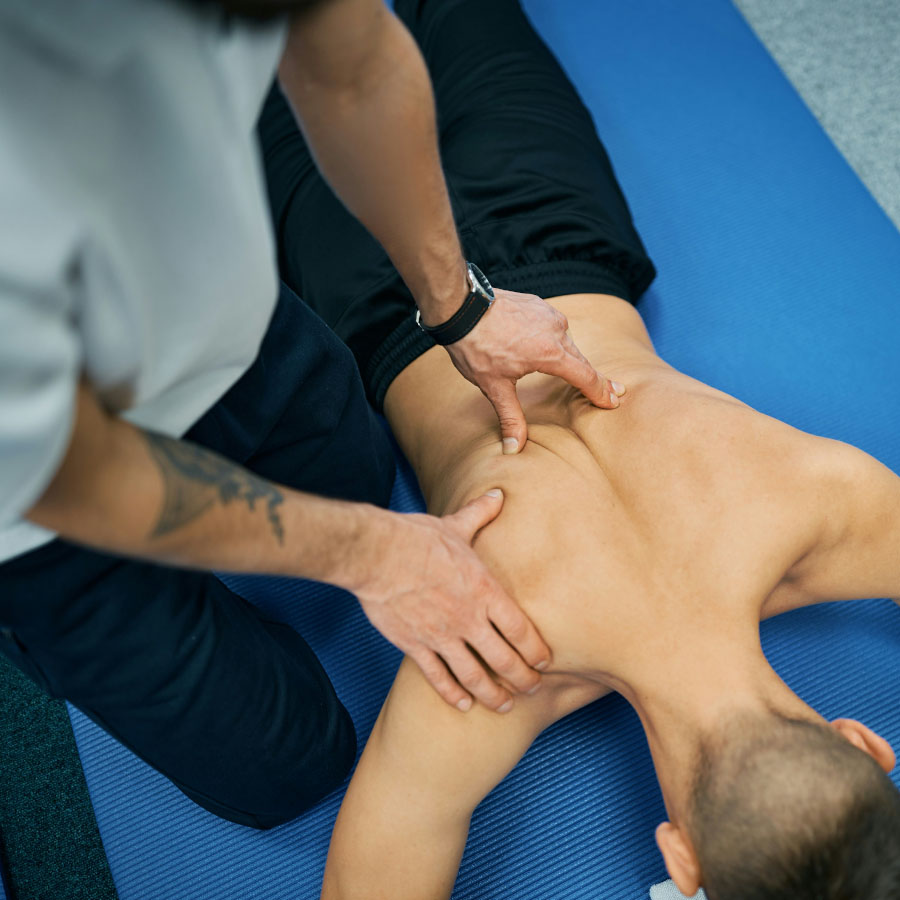
Work related pain and injuries are common place. Our physiotherapists regularly treat problems such as postural neck and shoulder pain; mechanical lower back pain and work related upper limb disorders (commonly known as repetitive strain injuries). Issues such as prolonged sitting and poor work habits can contribute to the onset of these problems. You can change these!
What can you do to reduce the risk of experiencing these problems?
- Change your position regularly
The majority of us spend most of our days sitting. This can impact negatively on our general health and can lead to pain. Moving around regularly and breaking from sitting positions can help with this. Why not try to get up every 60 minutes to have a quick stretch and a walk around the office for 2 minutes. Breaking regularly like this can improve your comfort and increase your productivity.
- Be more active outside of work
We can reduce the risks associated with being sedentary at work by keeping fit and active outside of work. Where possible try and exercise regularly including a form of exercise that gets you a little out of breath to challenge your heart and lungs. Improving our flexibility and strength can also be of benefit.
- Ask for help
Learning about best practice for desk or workstation set up, and lifting and carrying at work can reduce your risk of experiencing problems. Discussing any concerns you have with your line manager or a Chartered Physiotherapist can be the first step to staying fit for work.
Please forward this email on to any colleagues who you feel may benefit from this information.
Most work related injuries will improve with a combination of good advice, exercise and treatment.
If you would like further advice on the management of work related injuries, please contact us to book an assessment:
T: 020 8778 9050 E. enquiries@cppg.co.uk W. www.cppg.co.uk
Information & Guidance
Access our Health Hub
Long Term Condition
People living with Long Term Conditions (LTC’s) are more likely to experience mental symptoms due to their physical symptoms causing anxiety, worry, overthinking and avoidance.







Related Articles

Pennine’s Fracture Liaison Service: Quietly transforming lives in Oldham
Discover how Pennine MSK’s Fracture Liaison Service in Oldham is leading the way in osteoporosis care, prevent

Tennis injuries: symptoms and prevention
Tennis injuries can be short or long term – these last ones being associated to the upper body (overuse).

5 Simple Tips for Back Care
Back pain is often, it’s your body reminding you to move, rest, or adjust your habits.

The benefits of physical activity for mental health
The benefits of finding even small moments for movement in our everyday lives are great.