






Getting Back to Exercise after a Baby
When can I begin exercising after having a baby?
What are the do’s and dont’s when it comes to post-natal exercise?
Sarah Crosby, our Women’s Health Specialist Physiotherapist explains the numerous benefits of exercise and offers helpful tips to enable you to return to fitness and healthily begin to get your body back. Sarah is passionate about post-natal ‘health and wellbeing’ and educating women on post-natal recovery.
There are a wealth of benefits from exercise:
After pregnancy, some women may get a separation of their abdominal muscles (rectus diastasis). When performing abdominal exercises watch out for any doming of the upper abdominal region. If this occurs, stop doing the exercise.
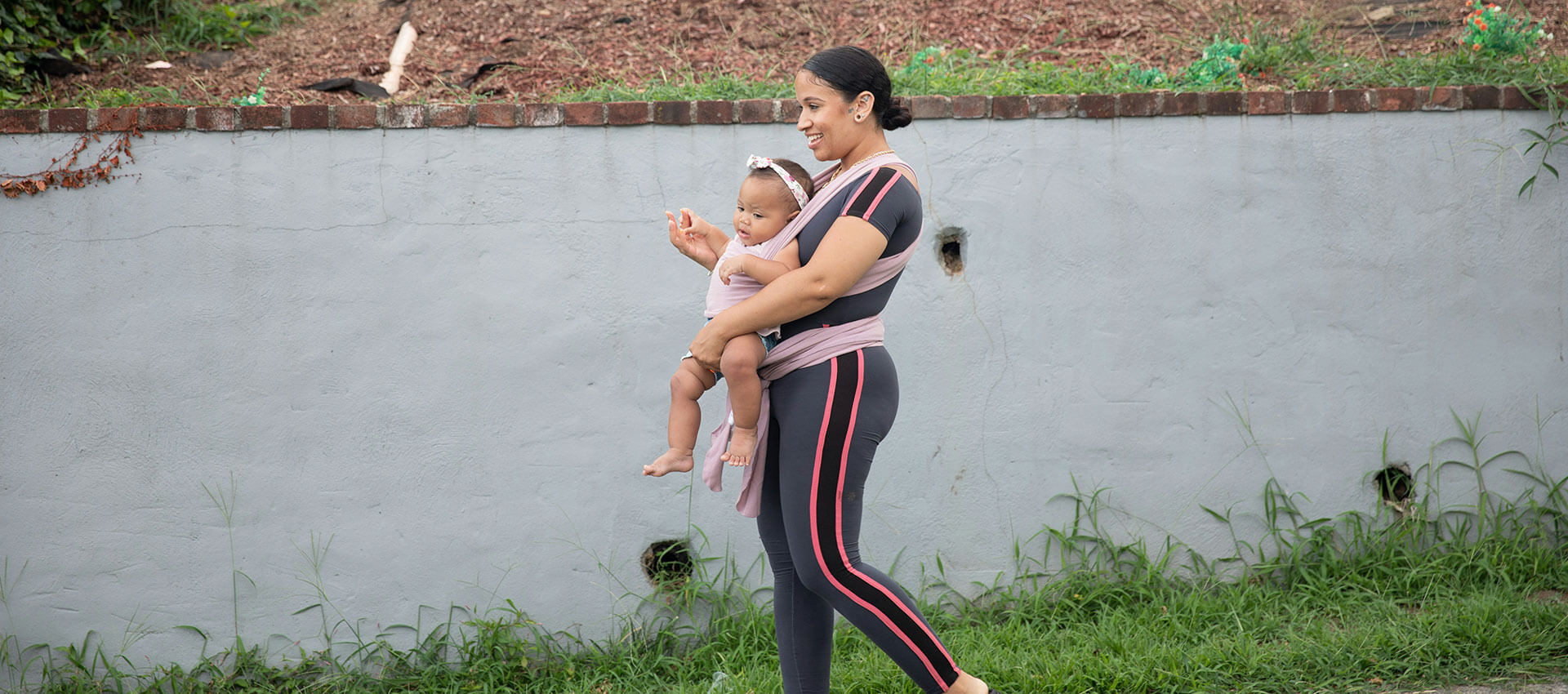
You can begin some gentle walking when you feel able. It is sensible to begin by gradually increasing walking and never push into pain. Swimming is another great cardio exercise to begin with; you can start to swim seven days after you are clear from vaginal bleeding.
From 6 weeks, you can start to increase the cardiovascular exercise. It is a good idea to see a Women’s Health Physiotherapist for a post-natal assessment. They will check your abdominal, pelvic floor and a range of other muscles to advise you if there are any areas you need to strengthen.
It is vital to ensure you have excellent pelvic floor control before you begin running to avoid any injuries or pelvic floor problems.
Remember not to overdo it after your pregnancy. Listen to your body, nourish your body, pace yourself and give yourself plenty of rest.
If you have any concerns with getting back to exercise such as experiencing pelvic pain, incontinence, a sensation of pelvic organ prolapse or any other joint pain then see your GP or a Women’s Health Physiotherapist for further advice.
Article first published on Elvie.com 12 January 2018
Contact Us for further information, if you would like to speak to Sarah Crosby or book an appointment.
Information & Guidance
Access our Health Hub
Long Term Condition
People living with Long Term Conditions (LTC’s) are more likely to experience mental symptoms due to their physical symptoms causing anxiety, worry, overthinking and avoidance.







Related Articles

Pennine’s Fracture Liaison Service: Quietly transforming lives in Oldham
Discover how Pennine MSK’s Fracture Liaison Service in Oldham is leading the way in osteoporosis care, prevent

Tennis injuries: symptoms and prevention
Tennis injuries can be short or long term – these last ones being associated to the upper body (overuse).

5 Simple Tips for Back Care
Back pain is often, it’s your body reminding you to move, rest, or adjust your habits.

The benefits of physical activity for mental health
The benefits of finding even small moments for movement in our everyday lives are great.