



Let’s talk about the pelvic floor
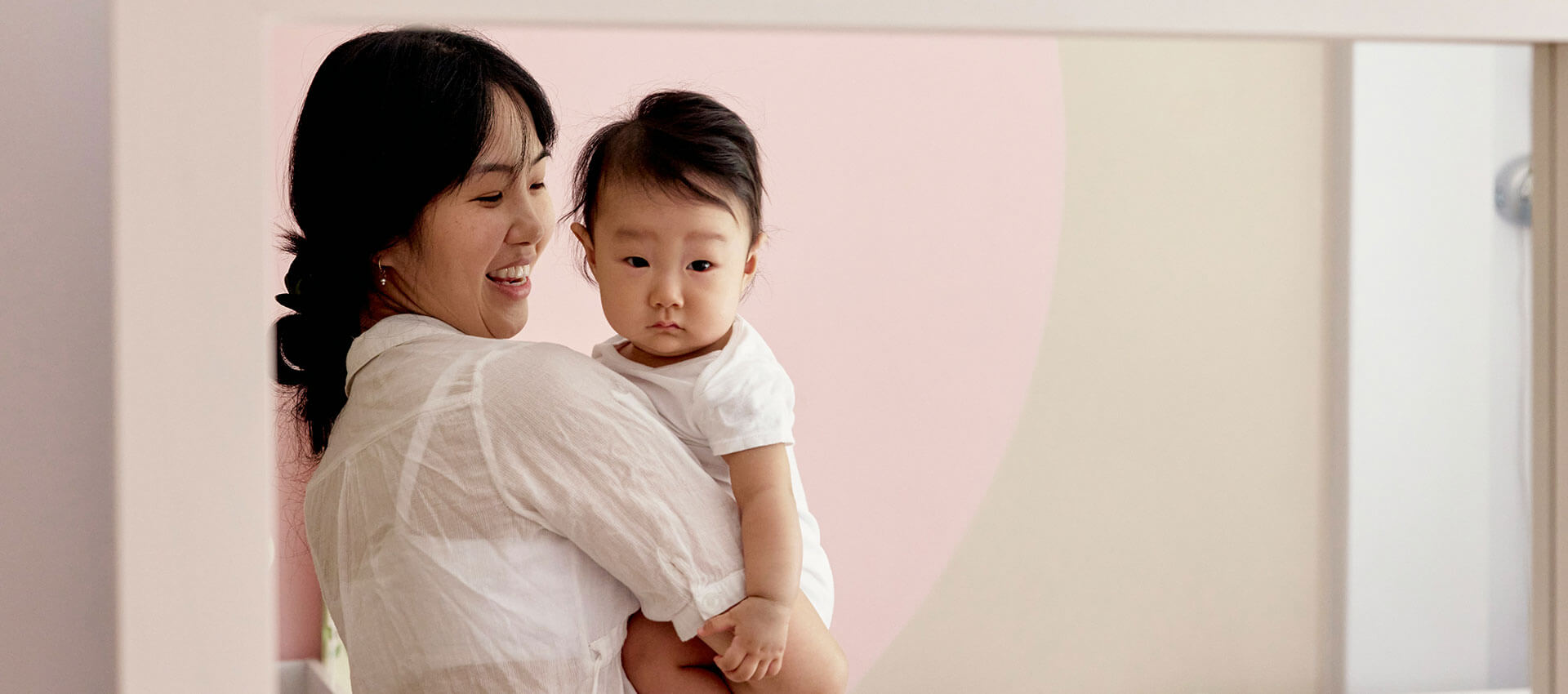
Women’s Health Specialist Physiotherapy – Pelvic Floor Muscles & Prolapse
Pelvic organ prolapse is a common problem affecting many women.
– It can occur after childbirth especially after a large baby or an instrumental delivery.
– It can also happen after the menopause or with people who suffer from a chronic cough or who have constipation.
The pelvic floor muscles and ligaments support the pelvic organs (bladder,bowel and uterus). If the pelvic floor is overstretched or weakened then they might not be able to support these organs as well, causing them to bulge (prolapse) down into the vagina.
– Have you noticed a heaviness or bulging sensation in your vagina?
The good news is that simple lifestyle changes and following a physiotherapy led pelvic floor programme can significantly improve these symptoms and prevent the need for surgical treatment.
Our Women’s Health Physiotherapists can help you with these problems. Our Specialists have completed post graduate training, are HCPC registered, Chartered MCSP as well as members of the Pelvic, Obstetric and Gynaecological Physiotherapy Clinical GroupPOGP.
Click here for further information and to read or download patient leaflets. Click here to read NHS patient information on Prolapse.
Women’s Health Services are currently only available at Crystal Palace Clinic (SE19).
Information & Guidance
Access our Health Hub
Long Term Condition
People living with Long Term Conditions (LTC’s) are more likely to experience mental symptoms due to their physical symptoms causing anxiety, worry, overthinking and avoidance.






Related Articles

Pennine’s Fracture Liaison Service: Quietly transforming lives in Oldham
Discover how Pennine MSK’s Fracture Liaison Service in Oldham is leading the way in osteoporosis care, prevent

Tennis injuries: symptoms and prevention
Tennis injuries can be short or long term – these last ones being associated to the upper body (overuse).
5 Simple Tips for Back Care
Back pain is often, it’s your body reminding you to move, rest, or adjust your habits.

The benefits of physical activity for mental health
The benefits of finding even small moments for movement in our everyday lives are great.