






Winter Sports Preparation
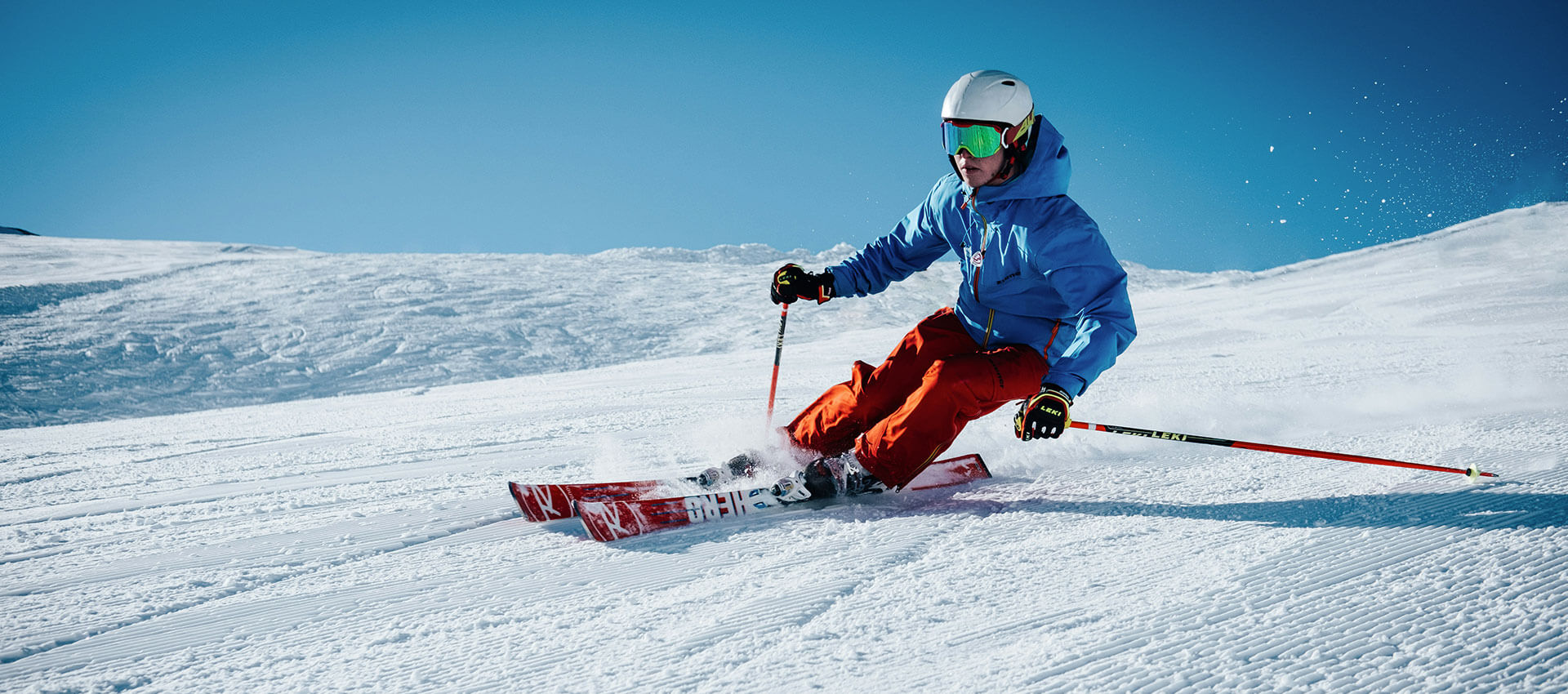
Prepare for your Winter Sports Season and stay injury free.
What can you do in the gym to prevent injury and get the most out of your trip?
- Strengthening
Fatiguing muscles are likely to increase your risk of falls and injury. Strengthening key areas used in Winter Sports will help reduce the risk.
Glutes: this can include a mix of squats, lunges, hip abductor machine, leg press and clams.
Quadriceps: Your quads work eccentrically whilst skiing, step-downs off a step, with or without a weight will help build up eccentric quad strength. You can also do squats, leg press and knee extensions. Try to avoid wall squats since this will encourage you to weight bear on your heels making you more off balanced on your skis/ board.
- Cardiovascular system
It is important to take breaks throughout a day of skiing. Working on your endurance will ensure that you can safely get the most out of your ski trip. This can be done with interval training on a treadmill or bike.
- Proprioceptive System
Proprioception is a joint sense of position in relation to the rest of the body. Proprioception is especially important during days of poor visibility on the slopes.
To challenge and improve your proprioception try to single leg stand with your eyes closed.
Simple ways to help reduce the risk of injuries whilst away:
- Wear clothing with good visibility
- Wear a helmet
- Wear wrist guards whilst boarding
What if you have a soft tissue injury on the slopes?
Follow the PRICE regime
- Protect the area- try to avoid knocking the affected area to prevent further injury
- Rest the area for at least 24 hours, try to reduced weight bearing on the area
- Ice the area if there is any immediate swelling for 20 minutes. Use ice to relieve pain for 20 minutes on every 2-3 hours over the next 24 hours.
- Compression: compress the area with a bandage to reduce swelling
- Elevation: keep the area elevated above the heart over the next 24 hours to prevent further swelling
Do not return to sport if the pain persists. Seek further medical advice whilst away, or on your return your GP or one of our expert physiotherapists if pain persists for more than a week.
For more information or to book an appointment, please contact our Reception Team:
T: 020 8778 9050 E. enquiries@cppg.co.uk W. www.cppg.co.uk
Page added: 10/11/16
Information & Guidance
Access our Health Hub
Long Term Condition
People living with Long Term Conditions (LTC’s) are more likely to experience mental symptoms due to their physical symptoms causing anxiety, worry, overthinking and avoidance.







Related Articles

Pennine’s Fracture Liaison Service: Quietly transforming lives in Oldham
Discover how Pennine MSK’s Fracture Liaison Service in Oldham is leading the way in osteoporosis care, prevent

Tennis injuries: symptoms and prevention
Tennis injuries can be short or long term – these last ones being associated to the upper body (overuse).

5 Simple Tips for Back Care
Back pain is often, it’s your body reminding you to move, rest, or adjust your habits.

The benefits of physical activity for mental health
The benefits of finding even small moments for movement in our everyday lives are great.