






Spring Marathon Running – Injury Trouble Shooting

Injury can lead to disruption in your training schedule, slower times or missing the start line altogether. Most are avoidable!
Common causes of running injury:
Traumatic – trips, strains, sprains, falls
Non-traumatic – overuse, biomechanics faults, training surfaces or slopes, training errors, muscle imbalance, gait abnormalities, poor footwear
Fast facts:
We have about 1,000 footfalls a mile
Running impact forces are 3x body weight per footfall
So with an average 3x 80kgs x1000 = 24 ton of impact per mile!
Top 5 common running injuries:
Foot and Ankle
1. Achilles tendinopathy (heel/ Achilles pain, gradual onset, tenderness/ lump on palpation, morning pain/stiffness)
2. Plantar fasciitis (heel/ foot pain, morning pain/ stiffness)
3. Medial Tibial Stress Syndrome or ‘Shin splints’ (pain along shin bone, point tenderness, worse running and at rest)
Knee
4. Iliotibial band friction syndrome (pain outer side of knee or thigh, worse when running especially downhill)
5. Patellofemoral Syndrome or Anterior Knee Pain (pain on or near the knee cap)
Less common
– Hip and Lumbar spine pain (gluteal overload/ tendinopathy, lumbar spine dysfunctions)
Seek advice for an acute injury ASAP, especially if it doesn’t settle within a week.
More can be done than you realise to get you right in time for your event.
The vast majority of those who have to pull out of a marathon have allowed a mild condition to worsen out of control.
Acute injury management: POLICE
– Protect
– Optimal Loading
– Ice
– Compression
– Elevation
How to treat an injury:
Relative rest (reduce load)
Activity modification e.g. cycling, cross-trainer, hydrotherapy
Stretching
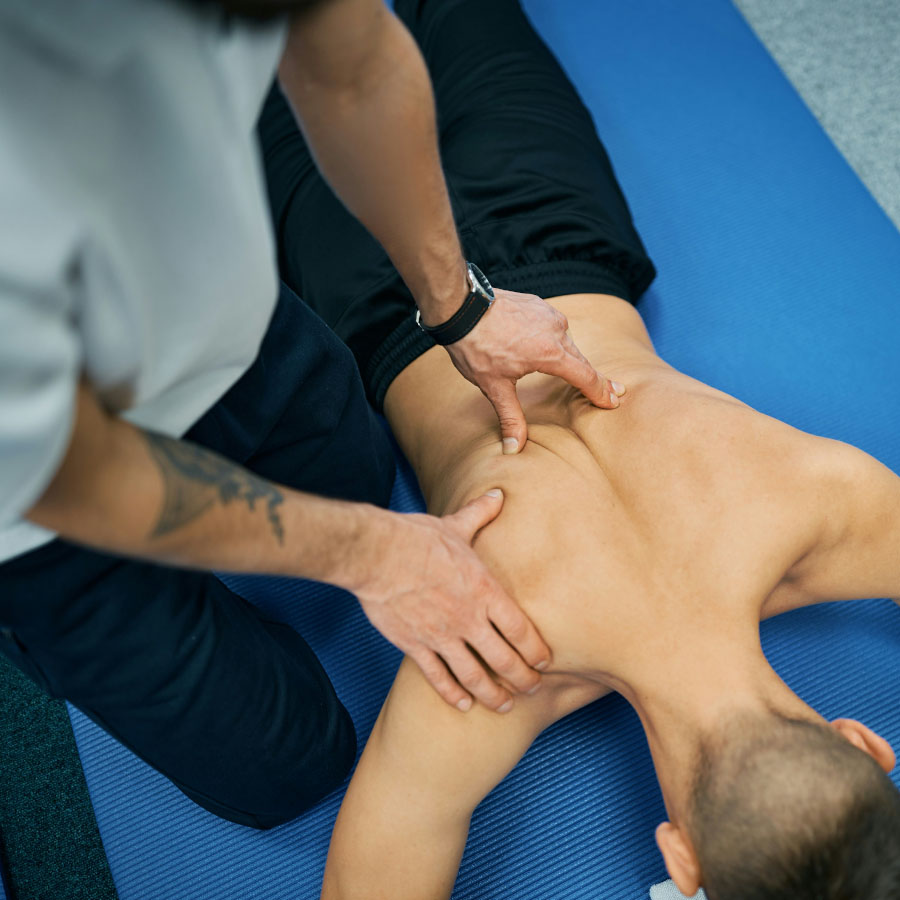
Sports massage/ soft tissue or myofascial release
Joint mobilisation
Dry needling
Taping to alleviate pain and facilitate correct movement
Eccentric strengthening
Footwear correction
Biomechanical correction
Core stability/ gluteal or quadriceps muscle conditioning
Remember if symptoms persist see someone! Don’t soldier on if things don’t settle. We are here to help you get to the start line in your best possible shape.
Book an appointment for Physiotherapy (injury screening for prevention/ optimal performance, rehabilitation for a specific problem), Sports Massage, Podiatry
For further information or to book please contact us
020 8778 9050 enquiries@cppg.co.uk W. www.cppg.co.uk
Information & Guidance
Access our Health Hub
Long Term Condition
People living with Long Term Conditions (LTC’s) are more likely to experience mental symptoms due to their physical symptoms causing anxiety, worry, overthinking and avoidance.







Related Articles

Pennine’s Fracture Liaison Service: Quietly transforming lives in Oldham
Discover how Pennine MSK’s Fracture Liaison Service in Oldham is leading the way in osteoporosis care, prevent

Tennis injuries: symptoms and prevention
Tennis injuries can be short or long term – these last ones being associated to the upper body (overuse).

5 Simple Tips for Back Care
Back pain is often, it’s your body reminding you to move, rest, or adjust your habits.

The benefits of physical activity for mental health
The benefits of finding even small moments for movement in our everyday lives are great.