



Rehabilitation therapy explained
By Emma Purchas, Rehabilitation Therapist at Vita Health Group
Rehabilitation is defined by the WHO as “a set of interventions designed to optimise function and reduce disability in individuals with health conditions in interaction with their environment”. In other words, rehabilitation aids children, adults and elderly adults to self-manage and be independent as possible with their day-to-day activities and occupations.
Musculoskeletal rehabilitation typically focuses on 6 areas including:
- Preventing, recognising and managing illnesses
- Training for maximum independence
- Facilitating maximum psychosocial coping and adaptation by patient and family
- Preventing secondary disability by promoting community recovery and occupational activities
- Enhancing quality of life
- Preventing recurrent conditions.
Rehabilitation can benefit an individual in many ways, including physical, psychological and lifestyle. The physical benefits include:
- Increased physical capacity
- Pain reduction
- Improves muscle strength, flexibility and joint mobility
- Improves balance, co-ordination and proprioception
- Reduces risk of falls, re-injury and unnecessary complications
- Improves gait and posture
The psychological benefits include:
- Enhances mood and self confidence
- Improves ability to deal psychologically with the illness or injury
- Improves self-independence
The lifestyle benefits include:
- Improved quality of life
- Improved dependence
- Quicker return to work rate
- Supports return to sport, exercise and/or recreational activities
A rehabilitation therapist will be able to help improve these areas by educating you about your condition, flare ups and pain management. You will be able to apply the knowledge to help you understand and manage your condition better.
Functional exercises will be provided to help improve the strength, mobility and balance surrounding the injured site. Improving the strength and mobility of the surrounding structures has been seen to improve pain and wellbeing of the individual.
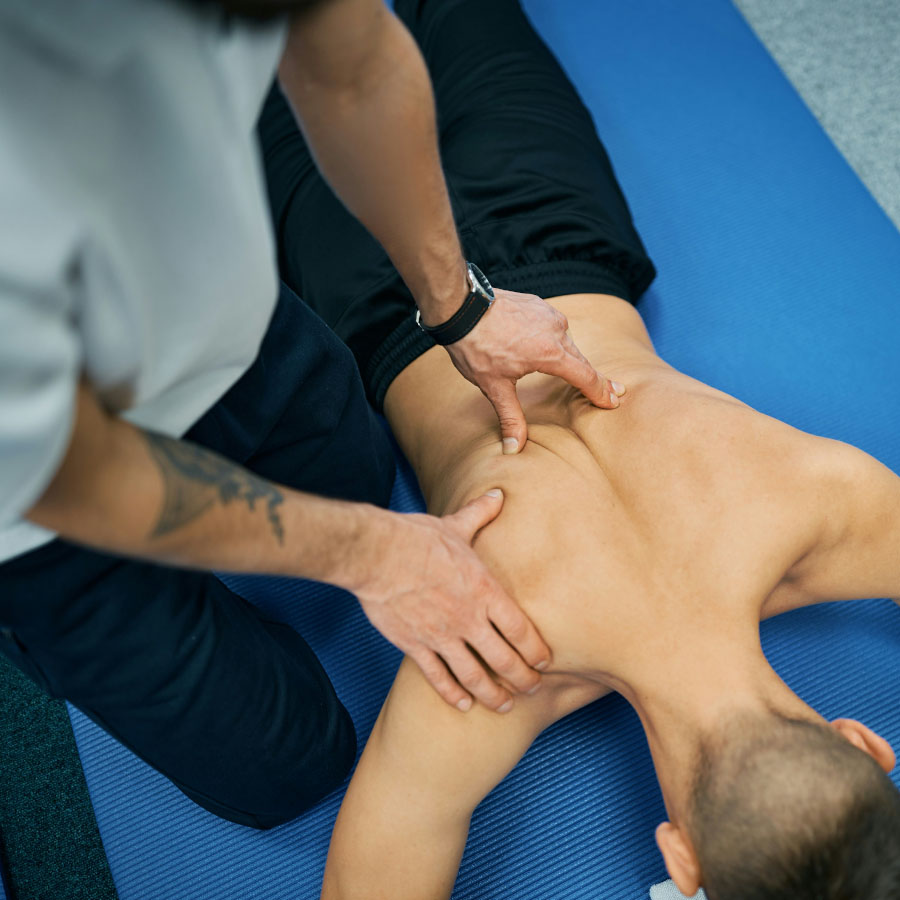
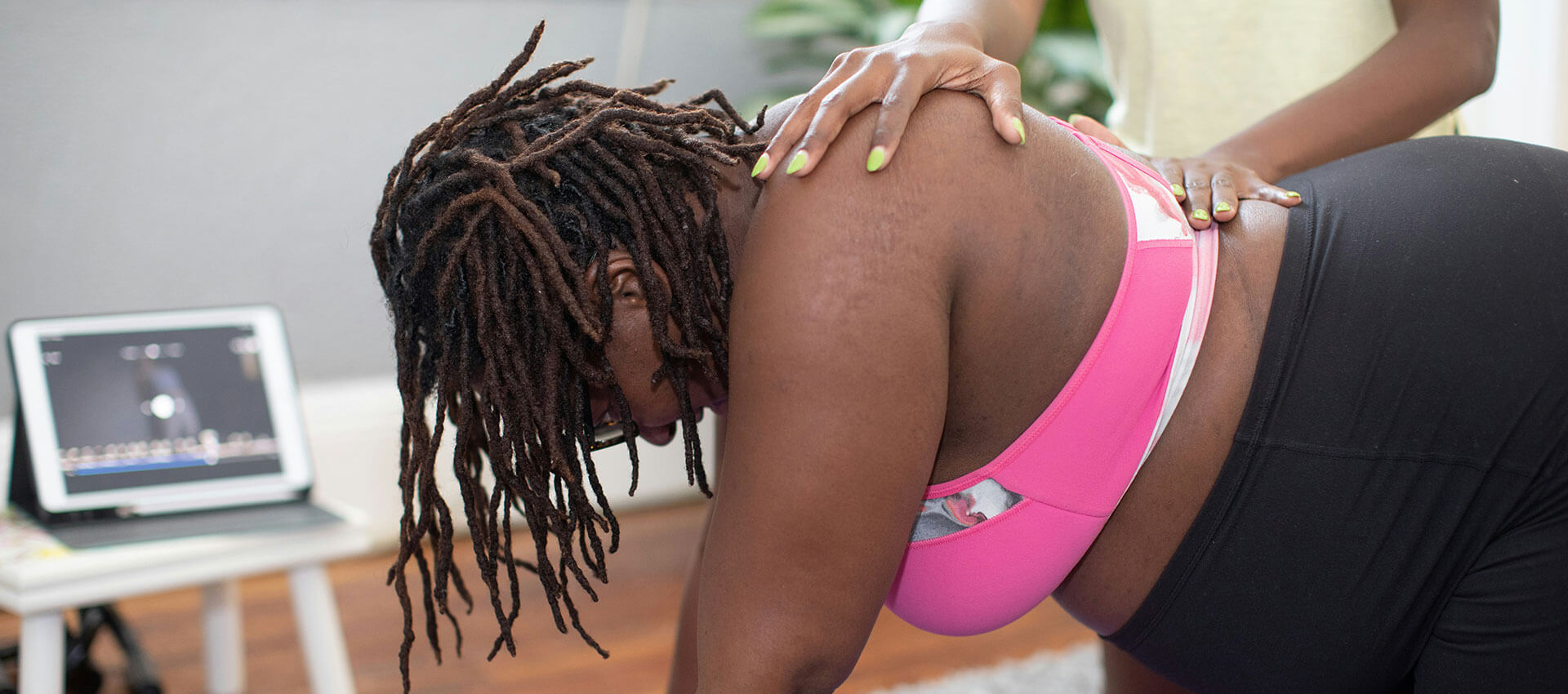
Hands on treatment can be included to help improve blood flow, muscle tension, tightness, join range of motion and sleep.
A combination of all of the above can help to rehabilitate your injury to be as good or better than it was before the injury occurred.
Information & Guidance
Access our Health Hub
Long Term Condition
People living with Long Term Conditions (LTC’s) are more likely to experience mental symptoms due to their physical symptoms causing anxiety, worry, overthinking and avoidance.







Related Articles

Pennine’s Fracture Liaison Service: Quietly transforming lives in Oldham
Discover how Pennine MSK’s Fracture Liaison Service in Oldham is leading the way in osteoporosis care, prevent

Tennis injuries: symptoms and prevention
Tennis injuries can be short or long term – these last ones being associated to the upper body (overuse).

5 Simple Tips for Back Care
Back pain is often, it’s your body reminding you to move, rest, or adjust your habits.

The benefits of physical activity for mental health
The benefits of finding even small moments for movement in our everyday lives are great.