






Recovering from Injuries in Team Sport

Participating in a team sport or club game for many of us represents an important part of our identity. Injury can be painful, both physically and mentally, when we’re sidelined and off the team. Rugby team physio and CPPG expert Anthony Martingell, shares his advice on how to stay on top of your game.
Injuries will occur, it’s an unavoidable part of any sport. During this time it’s normal for the athlete to feel upset, annoyed and frustrated. However it doesn’t have to be a negative time. I will discuss a few simple strategies to help deal with your injury and help turn it into a positive …. Or at least find a silver lining during this frustrating time!
1. Get a correct diagnosis
Knowing more about your injury will help you to deal with it, accept it and make a plan to return to your sport as quickly as possible
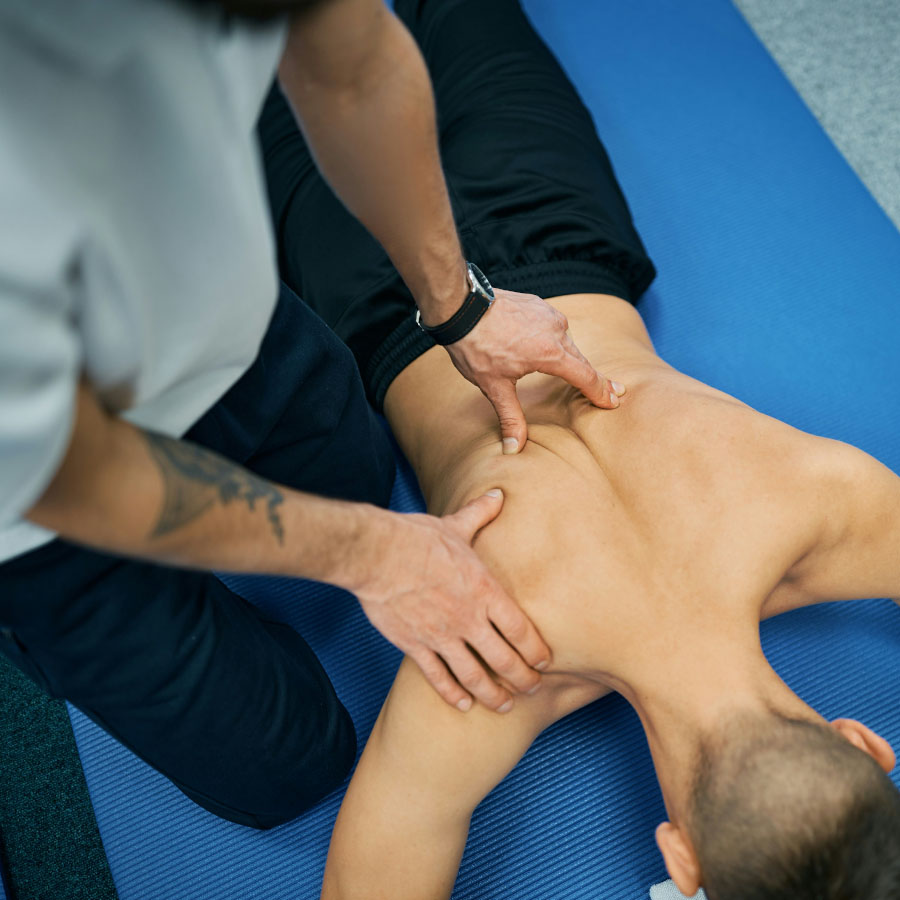
Working with a physiotherapist will help you learn more about your diagnosis. They will answer any questions you have and help you through the rehab process by providing education, advice and a tailored exercise program.
2. Use the time not playing to work on other aspects of training or your game
Once you have a diagnosis and rehab program you can start to focus on other areas to help improve your performance – this can be via a well-designed gym program to work on other areas of your body
This time can include, upper or lower limb strength and power sessions, improving balance or aerobic endurance.
Again at this possibly frustrating time, use your spare time to help prevent injuries to other body parts in the future! This can be achieved by putting into place some of the training strategies above.
3. Stay involved with the team
Also don’t feel left out at your club, speak with your coach and Physio, you can modify your training schedule and still attend training and games to be part of the team; as psychologically this will help aid recovery and keep you involved with the club. You can watch videos of previous games, to help improve you tactical awareness and understanding of your chosen sport.
4. Return to play cautiously
Before returning to play make sure you feel good and are confident you have made a full recovery, re-injury rate is highest in the first few weeks so take the return to play process slowly with guidance from your physio, coaches and your own body!
Anthony Martingell is team physio for Sidcup RFC and works at our Mottingham and Waterloo clinics.
Contact Us for further information.
Information & Guidance
Access our Health Hub
Long Term Condition
People living with Long Term Conditions (LTC’s) are more likely to experience mental symptoms due to their physical symptoms causing anxiety, worry, overthinking and avoidance.







Related Articles

Pennine’s Fracture Liaison Service: Quietly transforming lives in Oldham
Discover how Pennine MSK’s Fracture Liaison Service in Oldham is leading the way in osteoporosis care, prevent

Tennis injuries: symptoms and prevention
Tennis injuries can be short or long term – these last ones being associated to the upper body (overuse).

5 Simple Tips for Back Care
Back pain is often, it’s your body reminding you to move, rest, or adjust your habits.

The benefits of physical activity for mental health
The benefits of finding even small moments for movement in our everyday lives are great.